BUILD A MORE RESILIENT HOME
Take a more organized approach to household preparedness with practical guidance designed to help you plan ahead for unexpected disruptions. Build greater awareness of your household’s needs, focus on important priorities, and create a clearer plan for staying prepared.
HOUSEHOLD PREPAREDNESS
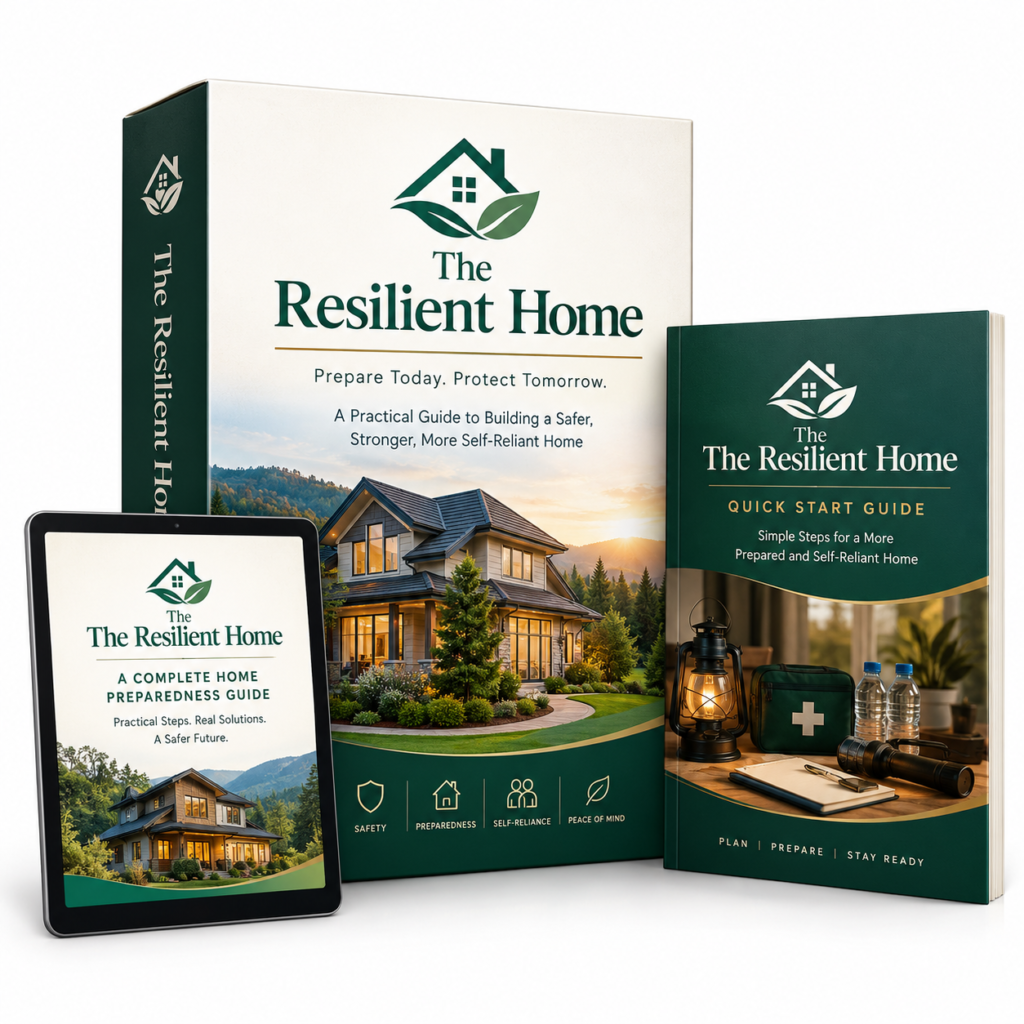
Preparation Starts With Understanding Your Household
Unexpected disruptions can affect every household differently. A clear preparedness approach can help you identify priorities, organize resources, and plan ahead with greater confidence.
✓
Understand Household Needs
Identify the areas of preparedness that matter most for your household.
✓
Organize Priorities
Focus on essential needs instead of trying to prepare everything at once.
✓
Plan Ahead
Take practical steps before unexpected disruptions occur.
A Simple Framework for Household Resilience
The 3-7-30 approach provides a structured way to think about preparedness across different time periods.
1.
Immediate Needs
Focus on the essential resources your household may need during the first few days of an unexpected disruption. Identify the basics that can help your household stay organized and prepared while you assess the situation.
2.
Short-Term Readiness
Consider what your household may need if a disruption continues beyond the initial period. Review your priorities, organize important resources, and think about practical steps that can support your household over the following days.
3.
Longer-Term Planning
Think beyond immediate needs and build a more organized approach to household resilience. Consider how your household can prepare for longer disruptions, manage important resources, and maintain a practical plan over time.
How The Resilient Home Works
Building household resilience becomes easier when you have a clear process to follow.
01
Assess Your Readiness
Look at your household’s current preparedness and identify the areas that may need more attention. Start by understanding what you already have and where important gaps may exist.
02
Identify Your Priorities
Focus on the essential needs of your household and decide which areas should be addressed first. A clear list of priorities can make preparation feel more organized and manageable.
03
Build Your Plan
Create a practical approach based on your household’s needs, priorities, and circumstances. Break larger preparedness goals into simple steps that are easier to understand and follow.
04
Organize Your Resources
Review the resources your household may need and keep important items, information, and plans organized. A structured approach can make it easier to know what you have and what still needs attention.
05
Review Your Preparedness
Take time to review your plan and consider whether your household’s needs have changed. Regularly checking your priorities can help you keep your preparedness approach current.
06
Keep Improving Your Readiness
Household preparedness is an ongoing process rather than a one-time task. Continue reviewing your plan, addressing new priorities, and making practical improvements as your household needs evolve.
Who Can Benefit From The Resilient Home?
A practical preparedness approach can be useful for different households with different needs.
🏠
Homeowners
Create a more organized approach to preparing your home, reviewing important household needs and planning for possible disruptions.
👨👩👧
Families
Consider the needs of everyone in your household and create a preparedness approach that keeps different priorities in mind.
☁
Weather-Prone Areas
Think ahead about severe weather, unexpected disruptions, and the practical steps your household can take to stay better prepared.
✓
Preparedness Beginners
Start with a structured approach instead of trying to do everything at once. Focus on the basics and build your preparedness plan step by step.
Benefits of Building a More Resilient Home
A structured approach can help turn preparedness into a clearer, more manageable household routine.
01 — Assess Your Readiness
Start by looking at your household’s current level of preparedness and understand which areas may need more attention. Review what you already have and identify any important gaps.
02 — Identify Your Priorities
Focus on the essential needs of your household and decide which areas should be addressed first. Setting clear priorities can make your preparedness plan easier to manage.
03 — Build Your Plan
Take practical steps to strengthen your household preparedness and create a more organized approach to unexpected disruptions. Keep your plan simple, clear, and focused on your household’s needs.
04 — Organize Your Resources
Review the important resources your household may need and keep them organized in an accessible place. Knowing what you have can help you prepare more effectively and avoid unnecessary confusion.
05 — Review Your Preparedness
Take time to review your household’s preparedness plan and consider whether your needs have changed. Regular reviews can help you identify new priorities and keep your approach up to date.
06 — Keep Improving Your Readiness
Household preparedness is an ongoing process. Continue reviewing your plan, addressing important gaps, and making practical improvements as your household needs and circumstances change.
Choose Your Resilience Plan
Choose the option that fits your household preparedness goals. Verify current pricing and package contents on the official offer page before publishing.
OPTION 1
Household Resilience Guide
$29
✓ 3-7-30 Preparedness Framework
✓ Household Readiness Guidance
✓ 7-Day Preparedness Assessment
One-Time
OPTION 2
Complete Resilience Package
BEST VALUE
$49
✓ Complete 3-7-30 Resilience Plan
✓ Extended Household Preparedness Resources
✓ 7-Day Readiness Assessment & Planning Tools
One-Time
Frequently Asked Questions About The Resilient Home
Find quick answers about household preparedness, the 3-7-30 framework, and the offer.
The Resilient Home is a household preparedness resource designed to help individuals and families organize their approach to home resilience and prepare for unexpected disruptions.
The 3-7-30 approach provides a structured way to think about household preparedness across immediate, short-term, and longer-term needs.
It can be useful for homeowners, families, and individuals who want a more organized approach to household preparedness and resilience.
The current offer should be checked on the official checkout page for the latest payment terms, package details, and pricing.
No. A preparedness resource cannot guarantee safety or prevent emergencies. It is intended to provide planning and preparedness guidance, while official emergency instructions should always take priority.
You can review the available package options and current pricing through the official offer page, then choose the option that best fits your household preparedness goals.
Start Building a More Resilient Home
Take the next step toward a more organized approach to household preparedness and resilience.
Privacy
Disclaimer
Terms
All information about The Resilient Home on this website is provided for general informational and educational purposes only. It is intended to provide household preparedness and resilience information and should not be considered professional emergency, safety, legal, financial, or other specialized advice. The Resilient Home is an educational preparedness resource, not a guarantee of protection, safety, or prevention during an emergency or unexpected event. Always follow guidance and instructions from qualified professionals and relevant local, state, and federal emergency authorities when responding to an actual emergency. Individual circumstances and experiences may vary.
Third-party trademarks and brand names mentioned on this website belong to their respective owners. Their use does not necessarily indicate affiliation with or endorsement by those owners. If you click an affiliate link and purchase a product or service, we may receive a commission at no additional cost to you.
Copyright © 2026 – The Fortune Frequency. All Rights Reserved.